
Inside Marsch and Davies’ Push to Take Canada Soccer Beyond Toronto—Could Western Canada Host More Games?
Jesse Marsch wanted to play Canada's final match of the year outside of Toronto, but Alphonso Davies' health determined the final stadium selection. The future isn't all decided, though.
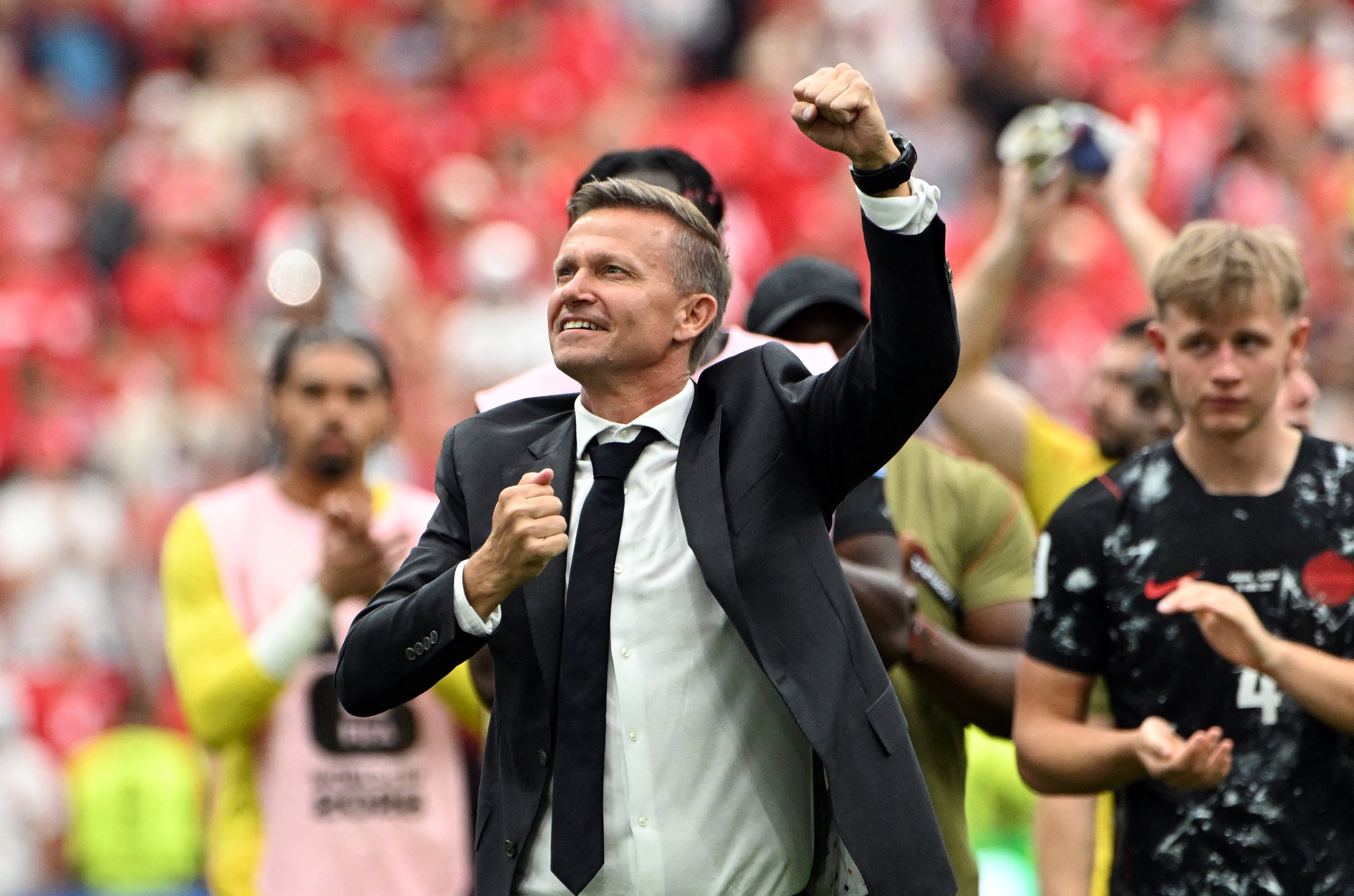
The landmark 2026 for Canadian men’s soccer ended Monday, with the team advancing to the 2027 Concacaf Nations League finals and rising to No. 25 in the FIFA Rankings, a record high for the program.
Yet, the final game of the year didn’t measure up to any spectacle. A 4-1 win (7-3 on aggregate) over Guatemala in front of a mere 17,126 fans on the shores of Lake Ontario.
With local teams in action that night, that’s a dismal number. Add in the wave of Guatemalan blue in the crowd, and the number of Canadian supporters becomes even more disheartening.
Several key reasons explain the turnout, though few excuse the attendance. Tickets were $90 for general sale and around $60 for Voyageurs supporters’ group members; the opponent, 94th-ranked Guatemala, was less than enticing, and Alphonso Davies was previously promised before he sustained an injury in the first leg.
The other factor? Toronto’s exhausted. Monday’s match marked the 10th international game of the year—including six World Cup matches—at the stadium and the 34th match of 2026 overall across the World Cup, men’s and women’s national teams, Toronto FC and AFC Toronto.
It’s why Canada Soccer wanted to play the game somewhere else.
Canada Soccer Wants to Look Beyond BMO Field

After a successful World Cup hosted in Vancouver and a crowd of over 46,000 out for a friendly against Uzbekistan in Edmonton amid a downpour, Canada Soccer is keen to look beyond Toronto and, Montreal, its credit, sold out the 20,000-seat Stade Saputo for the two games it hosted before and after the World Cup, and for a 2025 fixture.
That’s why head coach Jesse Marsch and Canada Soccer had hoped to play the team’s final match of 2026 away from Toronto. Ultimately, however, it came down to Marsch’s decision and Davies's influence, as the FC Bayern Munich star was unsure about his fitness on artificial turf amid a two-year series of lower-body injuries.
“Alphonso said we should go to different places in the country and that the country needs to see this team, but he goes, 'I'm just not sure what the turf will be like, and if it'll be good for me.’” Marsch told a small group of reporters in a year-end media call Thursday, having made the final venue call himself. “I do think we need to continue to think about how to go to places like Winnipeg or Saskatoon or Calgary and Edmonton. Ottawa would be great, and so would Halifax or Quebec City; there are a lot of ideas about places we want to go over the next four years. We're always thinking about these things.”
Unfortunately, there’s plenty more to the calculation than attendance and ticket sales, especially for the men’s national team. Traditionally, Toronto has served as a simple home, and other cities, especially in the West, deal with their own concerns and drawbacks.
Where Does Vancouver Stand?
Several factors hurt Vancouver’s case for more games. BC Place’s artificial surface has long been known as one of the worst in North America, and the cost of installing temporary grass can balloon quickly. The additional travel for players largely coming from Europe—and the eight-to-nine-hour time difference—also proves a massive challenge.
At the same time, in multi-match windows, booking multiple games near each other, or securing an opponent to play Canada, the U.S. or Mexico, is easier done on the eastern side of the continent, compared to Vancouver’s relatively isolated location.
With those issues, combined with the number of Concacaf matches played in the Caribbean or Central America, and the familiarity of BMO Field, BC Place and Vancouver—or simply other options beyond Toronto—are a tough sell, even if the markets might not be exhausted by the team’s presence.
Could Federal Government Hosting Funds Help Vancouver’s Case?
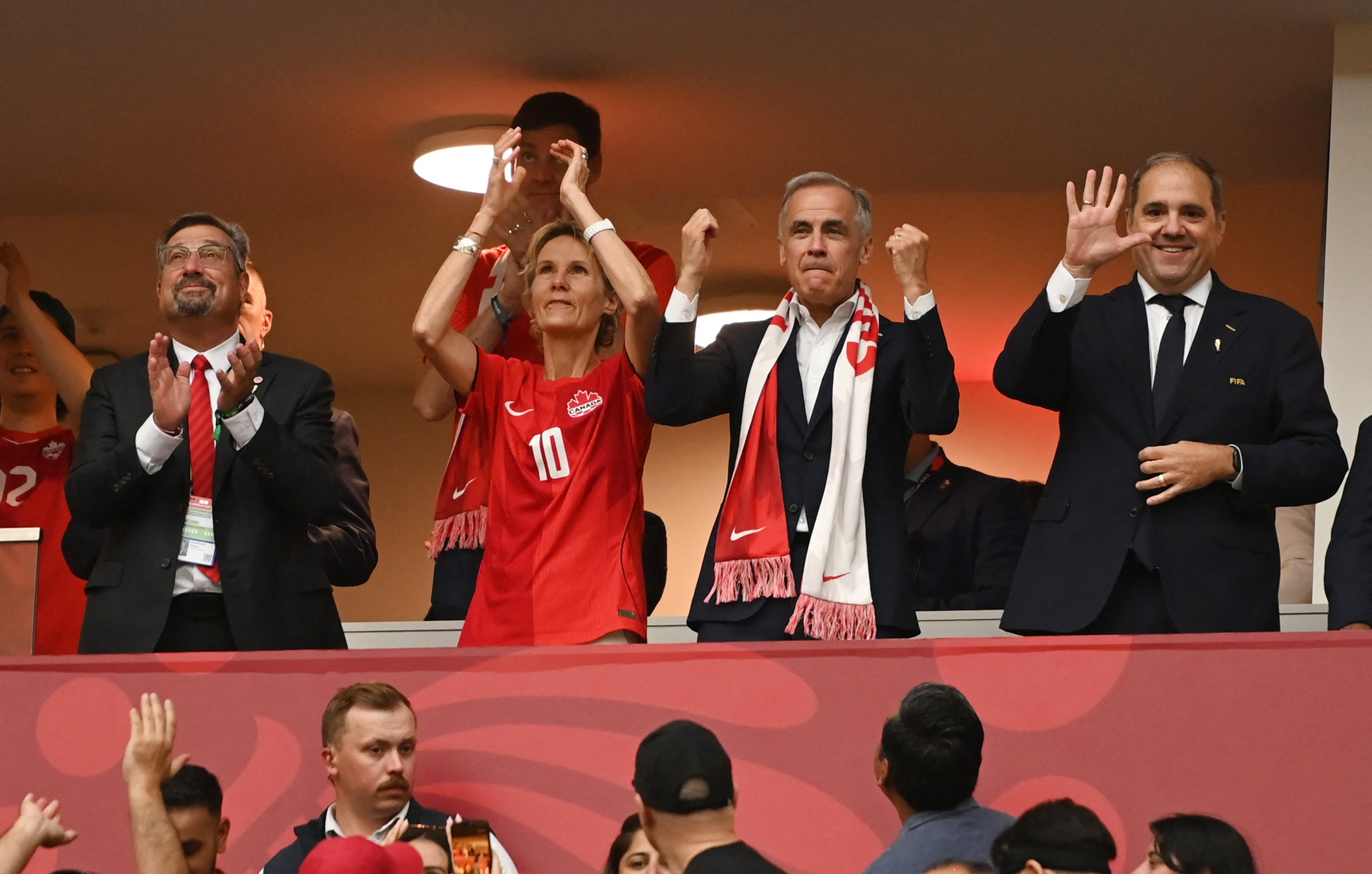
The last non-World Cup Canada match Vancouver welcomed was the opening match of the 2025 Concacaf Gold Cup, a 6-0 drubbing of Honduras played in front of 24,286 fans to kick off an ultimately fruitless tournament for the program—and without Davies.
Tournaments, though, may be the pathway forward for Vancouver to host more games. Concacaf’s two key men’s tournaments, the Gold Cup and Nations League finals, have generally been solely hosted by the U.S., with minimal involvement from Canada, Mexico and other nations.
Most of it comes down to the commercial opportunities of hosting games in the U.S., as well as the ease of using facilities from MLS, the NFL and college infrastructure. Yet BC and Canada could host or co-host one of the tournaments, backed by the federal government’s $50 million investment over five years in hosting international sports events in the country.
In theory, Vancouver could play a key role in hosting the entire Nations League semifinal and final window, or serve as a venue alongside Seattle’s Lumen Field, Edmonton’s Commonwealth Stadium, and others to co-host a West Coast Gold Cup.
Canada Soccer wants to spread the games out, and the organization and fans have long wanted to play in Vancouver. Finding the right plan to make it work remains the biggest challenge, but they’re working on it.
“It's not like we're just automatically going to Toronto; it's all it's always tricky with weather, and it's always tricky with different pitches, and you know where we are with our team and travel,” added Marsch. “I hope everyone understands that we want to build the sport in the country as much as we want to be successful with this team.”